Animation Tells in Combat Animations That Preview Special Move Setups Across Fighting Game Lineups
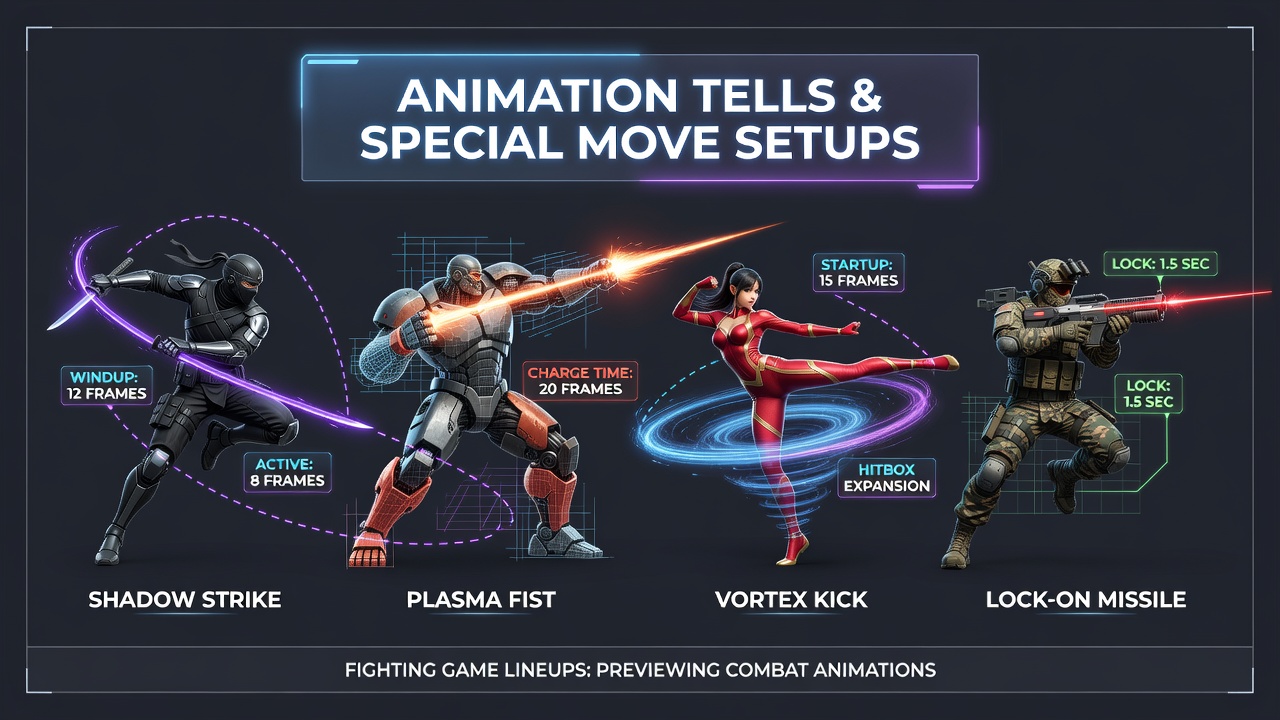
Animation tells function as visual cues embedded within character movement sequences that signal upcoming special moves in fighting games and these elements appear consistently across major lineups from Street Fighter to Tekken and beyond. Developers integrate specific joint rotations along with limb extensions and stance shifts that occur just before a projectile launch or a command grab activates. Players recognize these patterns through repeated exposure during matches and training modes where frame data displays confirm the timing windows involved. Research from the University of Tokyo's Graduate School of Information Science and Technology has documented how such cues reduce reaction times when competitors study them systematically.
Core Mechanics Behind Animation Tells
Each fighting game engine renders combat animations with layered keyframes that separate idle states from active attack phases and this structure creates predictable visual markers for special move setups. A character might shift weight onto the rear leg while the forward arm draws back in a circular arc before executing a spinning kick variant. These adjustments happen in the startup frames and they allow observant opponents to initiate counters or evasive maneuvers before the full move commits. Data collected by the Interactive Software Federation of Europe indicates that professional circuits have incorporated animation study sessions into standard preparation routines since the early 2010s.
Frame advantage calculations often intersect with tell recognition because a move that starts with an exaggerated shoulder dip grants extra time for the defender to react. Game designers balance these elements by varying the length and subtlety of tells across different characters so that roster diversity remains intact. In practice this means some fighters rely on fast but obvious gestures while others use slower yet harder-to-spot posture changes that still preview the same category of special move.
Examples Across Major Fighting Game Series
Street Fighter titles feature distinct tells such as the hand glow that precedes a Hadoken projectile and the slight hop that signals a Shoryuken rising uppercut. Tekken entries emphasize shoulder rotation and eye direction shifts that precede electric wind god fists or power crush armor moves. Guilty Gear games layer in particle bursts alongside body leans that telegraph Roman Cancel follow-ups or super art activations. Observers note that these series maintain consistent visual language within their own universes even as new installments introduce refined animation rigs.
Capcom's development notes reveal that animation teams reference prior titles when updating tells to preserve muscle memory for returning players while introducing fresh variations for newcomers. One case study from a 2024 tournament analysis showed that competitors who trained specifically on tell identification improved their punish rates by measurable margins in best-of-five sets.
Training Tools and Community Resources
Modern fighting game platforms include built-in replay systems that pause at animation start points allowing users to scrub through frames and label tells manually. Third-party applications extend this functionality by overlaying hitbox data directly onto the character models during playback. Players often compile shared databases that catalog every special move tell across multiple patches and these resources receive regular updates following balance adjustments.
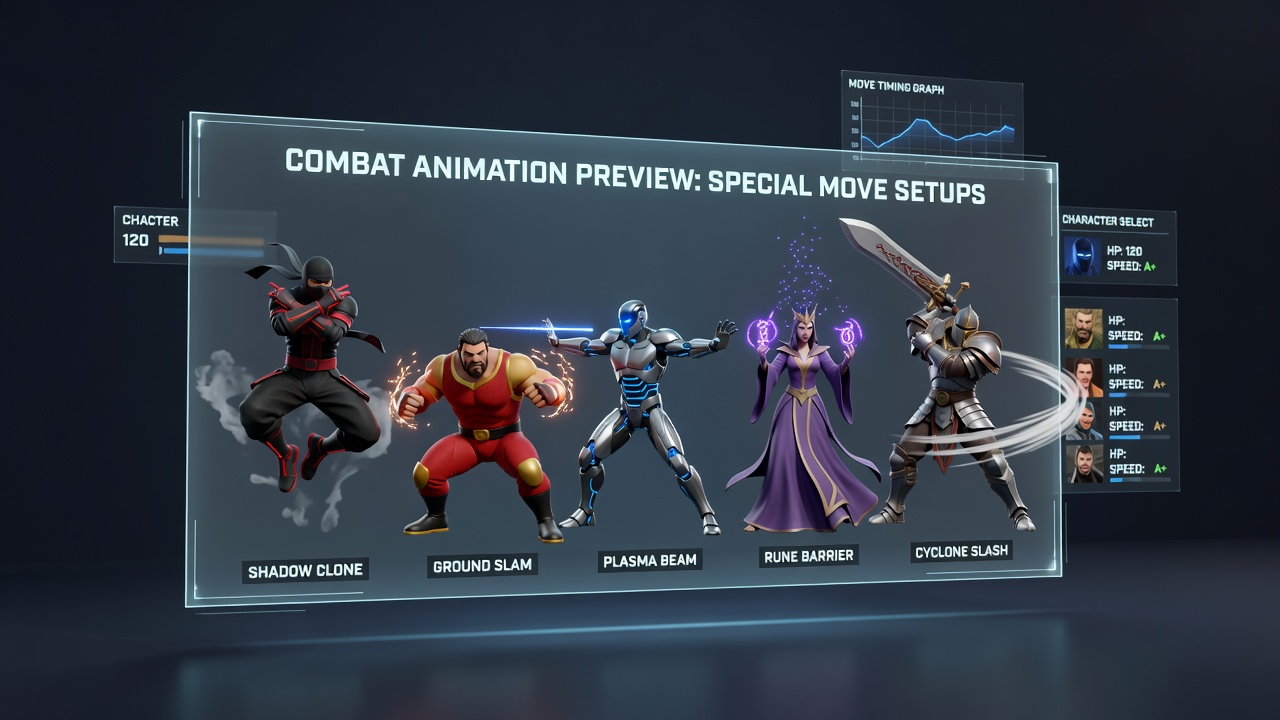
Esports organizations have begun integrating tell recognition drills into academy programs where coaches assign specific characters for daily review. This approach mirrors traditional sports film study and it produces measurable improvements in reaction consistency during live events. Figures released by the Entertainment Software Association show continued growth in fighting game participation numbers through 2025 with training methodology cited as a contributing factor.
Technical Evolution and June 2026 Developments
Engine upgrades in recent years have allowed for subtler tells that blend more naturally into movement cycles while still providing enough information for skilled players. Motion capture sessions now capture micro-adjustments that translate into in-game cues without breaking visual flow. As of June 2026 several upcoming titles announced at major expos incorporate machine learning tools to generate variable tell intensities based on player distance and health remaining. These systems aim to maintain competitive integrity while adapting to individual matchup contexts.
Cross-platform play has further standardized tell visibility because animation playback must remain identical across hardware configurations to ensure fair conditions. Developers test these elements extensively during beta phases where community feedback highlights any inconsistencies in cue presentation.
Conclusion
Animation tells remain a foundational element of fighting game design because they bridge the gap between visual presentation and mechanical readability across diverse lineups. Continued refinement through engine advancements and community-driven analysis ensures that these cues evolve alongside player expectations. The interplay between animation detail and competitive balance continues to shape how new entries approach special move implementation.